© zambofishing Italy
KENYA - LAMU - ZAMBOFISHING
Lamu is a city in Kenya located in the north on the border with Somalia, capital of the county of the same name; with 18,382 inhabitants (2009 data), it is the most populous town on Lamu Island, part of the archipelago of the same name. It has been declared a UNESCO World Heritage Site.
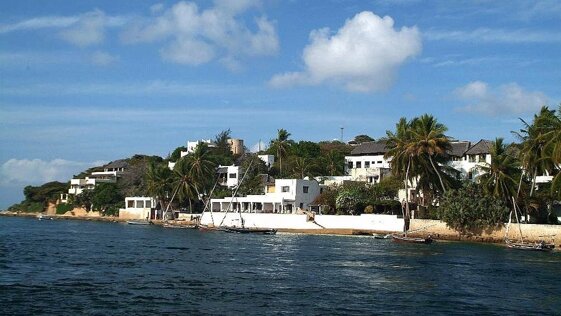
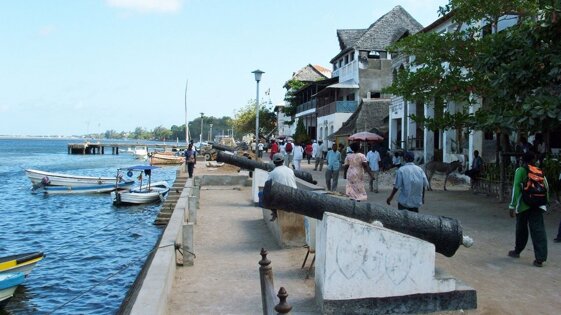
LAMU ISLAND - ARCIPELAGO DI LAMU
A unique and fascinating place, Lamu Island, located in northern Kenya, managed to escape the upheavals that marked the twentieth century and has therefore kept its lifestyle, culture and architecture intact.
The island is 12 km long and 7 km wide and, together with others, is part of the archipelago of the same name, including the island of Manda where the national airport is also located, and the islands of Pate and Kiwayu.
Although in the nineties it gained some notoriety, it has been able to keep its ancient charm intact, so that today it is an island to be discovered, rich in dreamlike shores and bays.
It can only be reached by boat: here no other means of transport are allowed except donkeys and bicycles, another feature that helps preserve the ancient charm of a place declared, not by chance, a UNESCO World Heritage Site. The island, already inhabited in the 14th century, was conquered first by Portuguese navigators, then by the Arabs; later it was at the center of a lively trade exchange with Oman.
It is the unexpected architectural wealth, giving the island its unique touch, that makes it famous. Swahili culture is still deeply rooted both in customs and traditions and in the precious remains and ruins of the medieval quarter.
The island’s capital is the City of Lamu, the oldest in all of Kenya and one of the first Swahili settlements on Africa’s east coast: you can get there only by motorboat, but it is worth it to admire its look, unchanged over the centuries.
Lamu is a fantastic little town full of wonders, wrapped in a medieval atmosphere.
The years of Lamu as an Omani protectorate were marked by the island’s golden age, when it became a center of poetry, politics and crafts. The archipelago thrived on the trade in ivory, mangroves, gold, ceramics and human trafficking, which later declined after British control of the region imposed the closure of slave markets.
Home to just over 30,000 inhabitants, almost exclusively Muslims, it has not changed much in appearance and character over the centuries. Once a thriving port town, today Lamu is an out-of-the-way, self-sufficient center, extremely quiet and relaxing. You feel carried back in time by a full 50 years.
No other Swahili city, except Zanzibar, can offer such wealth, so much culture and a great traditional architectural style still intact as years ago.
You can get an excellent overview of the city’s culture and history by visiting the Lamu Museum, located on the seafront.
If the museum manages to spark your curiosity about Swahili culture, then don’t miss the beautifully restored building that houses the Swahili House Museum,
One of Lamu’s strangest attractions is the Donkey Sanctuary, Our Donkey or Ass, which roam freely all over the island of Lamu,
It is highly recommended to take a trip on a dhow, the typical sailing boats.
Lamu can be reached by diesel boats departing from Mokowe, on the mainland; alternatively you can take a flight that lands on the nearby island of Manda.
There are also direct excursions to the island organized from Malindi, or to reach Lamu you can venture onto the road from Malindi to Garsen: from here you continue to Hindi and Mokowe, where you board for Lamu. Besides ancient Lamu, other places to visit are the island of Kiwayu and the village of Matondoni, where they still build the traditional dhow.
From a landscape point of view, Lamu Island features rolling dunes and endless beaches, a sea that invites diving and snorkeling thanks to crystal-clear waters and rich marine life. Snorkeling on the Kinyika reef, an island southwest of Lamu near Ras Biongwe, Ras Mtio and Dongo Kundu, is certainly an unforgettable sensory experience; you reach the destination thanks to the characteristic dhow and then dive in and play with the countless marine species present and, for the luckiest, swim with dolphins.




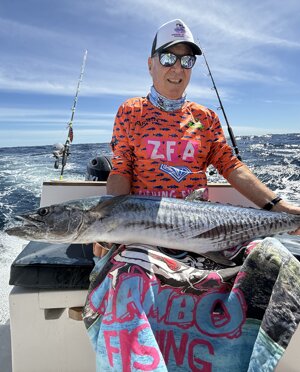
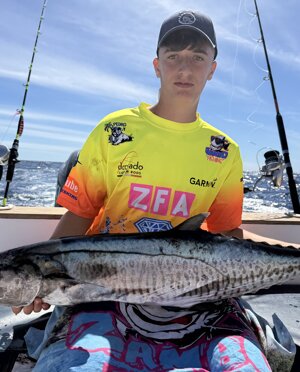
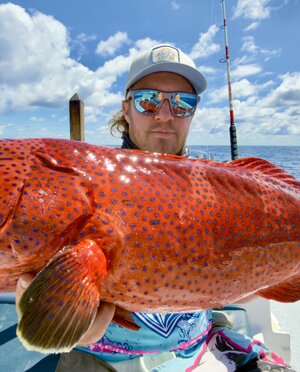
© zambofishing Italy